The Collapse of Social Media Isn't a Crisis. It's a Reset.
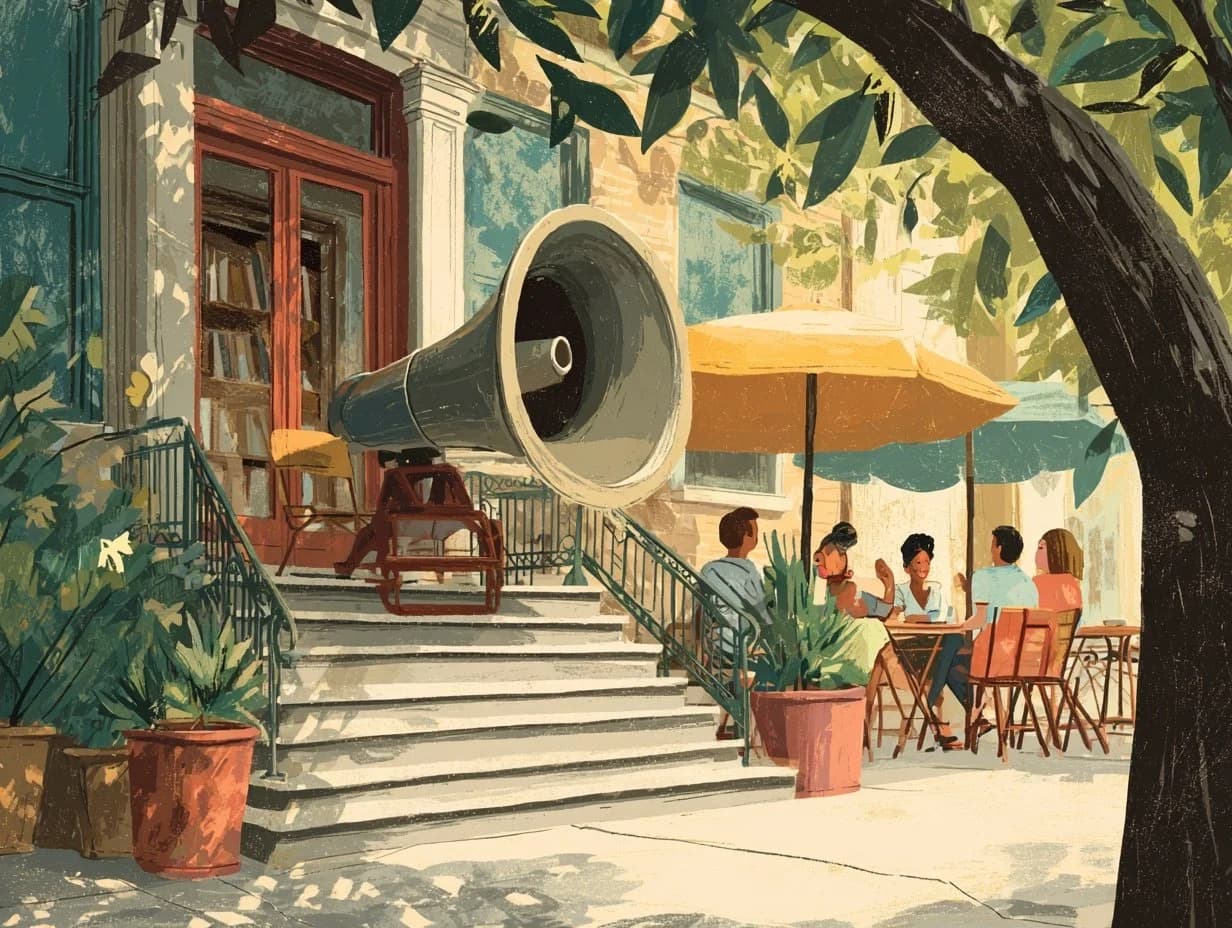
The breakfast posts are gone. The algorithms won. But something new is emerging... and it looks a lot more human than what we're leaving behind.
So here we are. Social media is dead. And honestly? I'm not even sad about it.
Don't get me wrong... I've spent the last decade building my career on these platforms. I've managed campaigns for major brands, grown followings from zero to millions, and helped companies navigate the ever-changing algorithms. But lately, I've been watching something shift. Something fundamental.
The breakfast posts are gone. You know the ones I mean... those perfectly imperfect snapshots of daily life that used to fill our feeds. Your friend's coffee cup. Your neighbor's garden update. Those little moments that made social media actually... social.
When Social Stopped Being Social
Kyle Chayka nailed it in a recent interview when he said, "The platforms have deprioritized the content from normal people and these kind of mundane breakfast posts." We're not seeing our friends anymore. We're watching influencers, consuming news headlines, and scrolling past AI-generated content that feels hollow and manufactured.
Think about your own posting habits. When's the last time you shared something genuinely personal? Something that wasn't carefully curated or strategically timed? Most of us stopped doing that years ago, and we didn't even realize it was happening.
"Normal people just can't necessarily keep up with that," Chayka explains. "It just didn't feel like a conducive space to putting yourself out there anymore." We got tired of competing with professional content creators and algorithmic optimization. We got tired of shouting into the void.
Here's what's really telling: while individual posting continues to decline across major platforms, private messaging is absolutely exploding. WhatsApp now boasts over 2 billion monthly active users and has finally conquered the US market, hitting 100 million monthly users for the first time. We're still connecting... we're just doing it differently.
Adam Mosseri, Instagram's head, admitted this shift last year: "You don't share personal moments in feed today, the way you did five or 10 years ago. You share them in stories or in messages more so." He noted that teenagers are spending most of their time in the app's private messaging features, not in public spaces.
Even more telling? We've entered what internet culture expert Ryan Broderick calls the "post-viral" era. Can you name TikTok's most popular video of 2023? Most people can't... even massive viral content barely registers in our fragmented attention landscape.
Social media became mass media with a friendly mask. Every post was designed for the largest possible audience, chasing follower counts and engagement metrics. But that's not social... that's broadcasting. That's television with comment sections. As Chayka puts it: "Social media has become less social... like it's more about just consuming this kind of highly commodified content and it's more about lifestyle aspiration."
The Rise of Cozy Media
But here's where it gets interesting. While the old social media model crumbles, something new is emerging. Researchers are calling it "cozy media"... apps and platforms designed for small groups of trusted friends rather than mass audiences.
Think about apps like Retro, where you're not competing with influencers or algorithms. You're just sharing moments with people who actually know you. It's like the difference between throwing a dinner party and performing on stage. Both have their place, but only one feels like home.
This isn't just about aesthetics or features... it's about intentionality. Cozy media platforms limit interactions with strangers and prioritize meaningful connections over viral reach. They're designed to foster actual conversations rather than broadcast performances.
This shift toward smaller, more intentional connections is exactly why Tywana and I started the "Innovators Roast" meetup. We saw how hollow digital networking had become and wanted to create something real... a space where local entrepreneurs and creatives could connect face-to-face, share genuine challenges, and build authentic relationships.
The response was incredible. People are hungry for real community, for conversations that matter, for connections that extend beyond the screen. They want to support local businesses not because an algorithm told them to, but because they know the person behind the brand.
We're seeing the rise of niche communities everywhere: Facebook groups, Discord servers, apps like Ravelry for knitting enthusiasts and Letterboxd for film fans. People are retreating to what researchers call the "cozy web"... private but not isolated spaces where genuine connection can flourish without the pressure of performing for strangers.
What Comes Next
Video will continue to dominate the remaining social platforms, turning them into entertainment channels rather than social spaces. And that's fine. Let them be what they've always been trying to be: mass media for the digital age.
Meanwhile, the real social connections... the ones that actually matter... are happening in group chats, local meetups, and small communities built on shared interests and genuine care.
This shift opens incredible opportunities for local businesses and community builders. As people step away from performing for algorithmic audiences, they're rediscovering the value of authentic, local connections. They want to support the butcher who remembers their order, the bakery where they know your name, the coffee shop that feels like a third place.
This is where the future of marketing lies... not in chasing viral moments or gaming algorithms, but in building genuine relationships and telling authentic stories that resonate with real communities. The peak has passed. The transition is happening. And the future looks a lot more human than what we're leaving behind.
Maybe Kyle Chayka is right when he suggests that "social media was this aberration in a way... this idea that every normal person should share their life in public was kind of flawed from the beginning." Maybe we're finally waking up from the fever dream of performing our lives for strangers.
The future isn't about going backward... it's about going deeper. It's about choosing quality over quantity, authenticity over aspiration, community over commodity.
Final Thoughts
Social media isn't dead because it failed... it's dead because it succeeded too well at becoming something it was never supposed to be. It became mass media, complete with all the isolation and commodification that comes with it.
But here's the thing: we don't need to mourn its death. We need to celebrate what's being born in its place. Smaller communities. Deeper connections. Local relationships that actually matter.
The peak has passed. The transition is happening. And honestly? The future looks a lot more human than what we're leaving behind.
Are you feeling this shift away from traditional social media? I write about it in Field Notes... what's breaking, what's being born in its place, and what I'm figuring out as I build. If that's your kind of thing, follow along on Threads.
Rick Montero spent 15 years in enterprise marketing at Canon, Scholastic, and Accenture before going out on his own. Now he's building things and writing Field Notes about what he's learning along the way.
What's your take?
Agree, disagree, been there... leave it here. No account or email needed, just a name. I read every one before it posts.